

July 31, 2023

4 LAYING PATTERNS FOR WOOD-LOOK TILES

By arranging wood-look tiles to create striking patterns, homeowners can accentuate the beauty of the wood grain designs, crafting a sophisticated space.

By arranging wood-effect tiles and planks to create impressive patterns, homeowners can highlight the beauty of designs inspired by one of architecture's most ancient materials and elevate the look of their space.

Rectangular Tiling

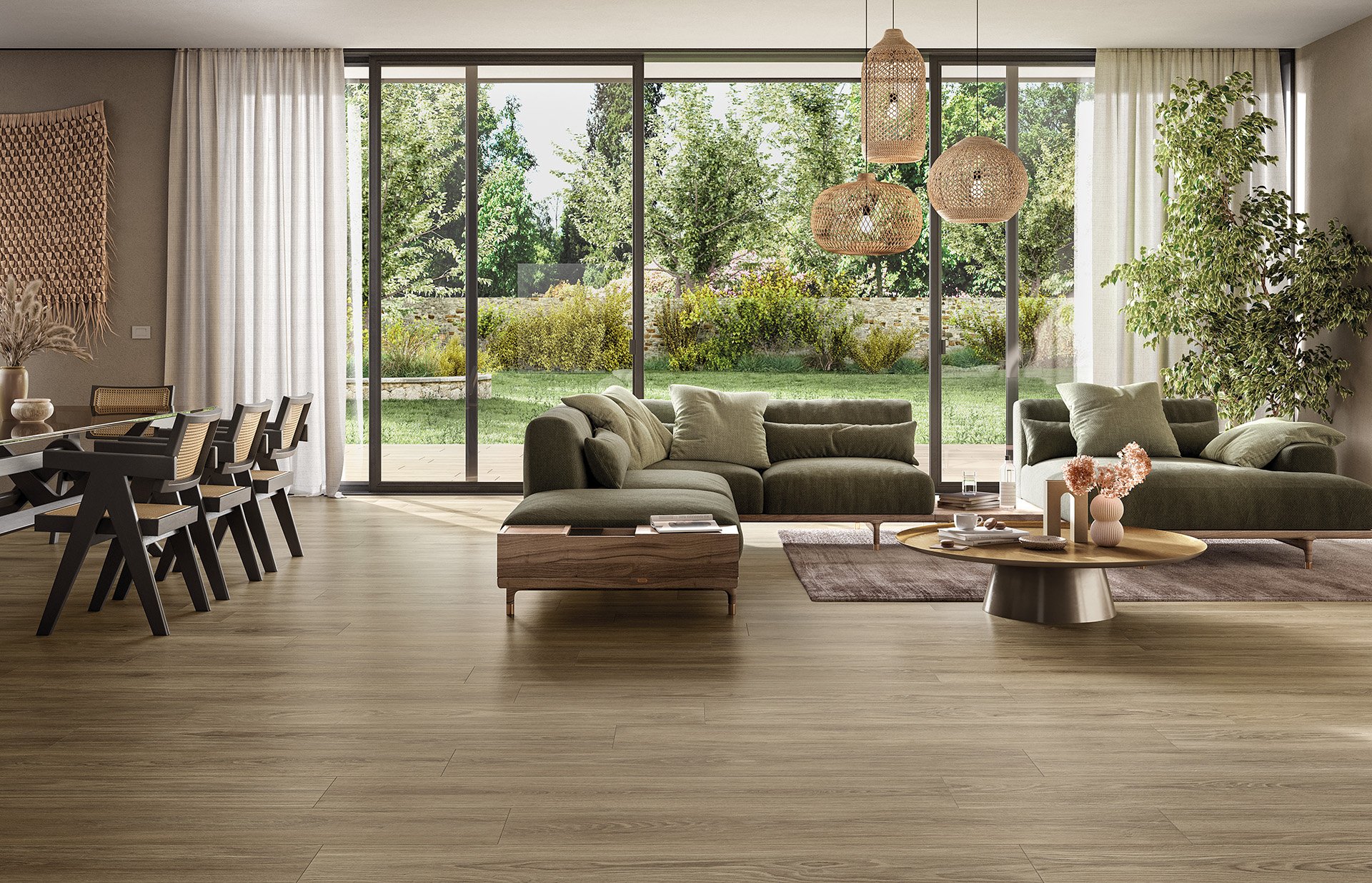
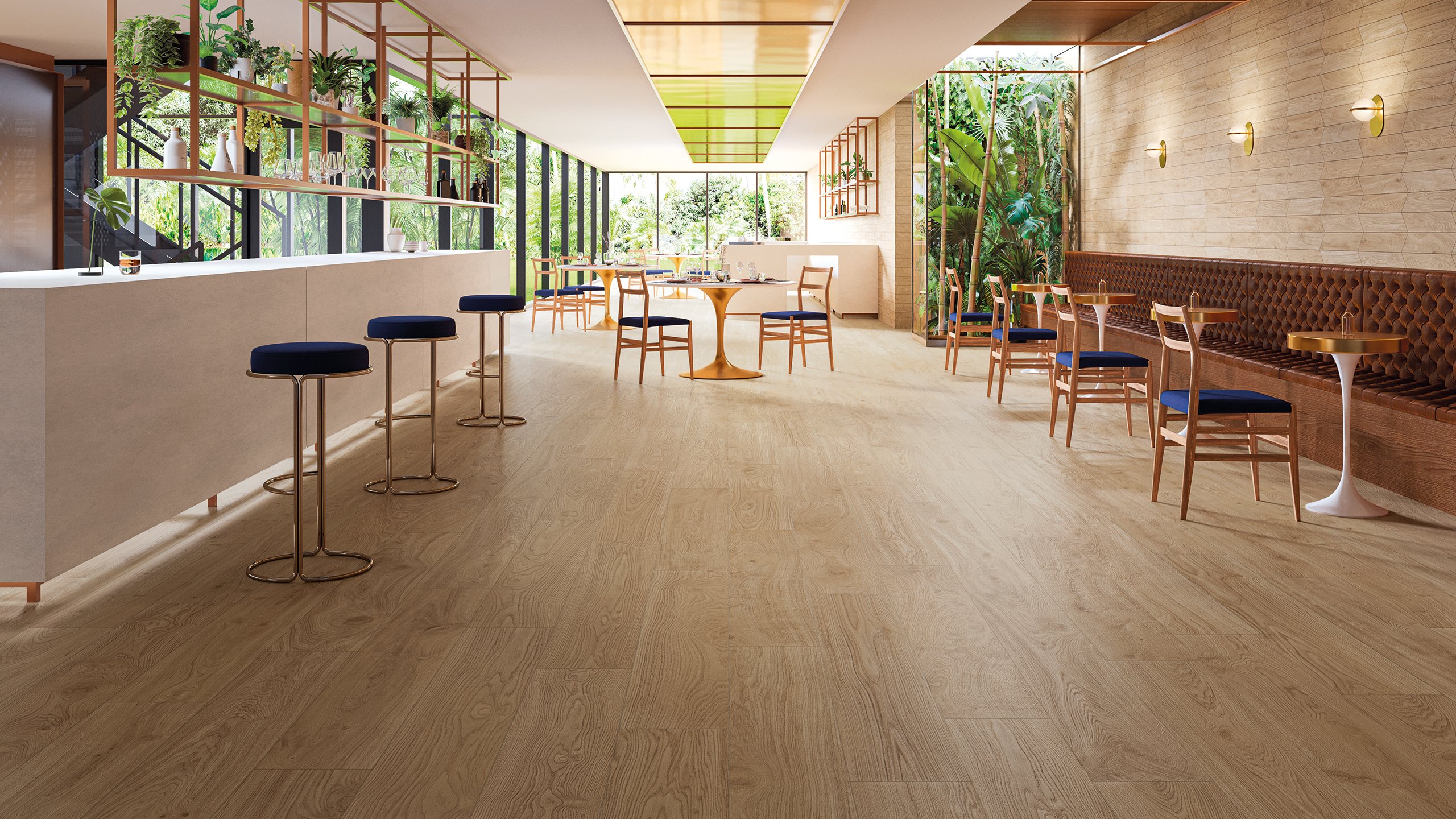
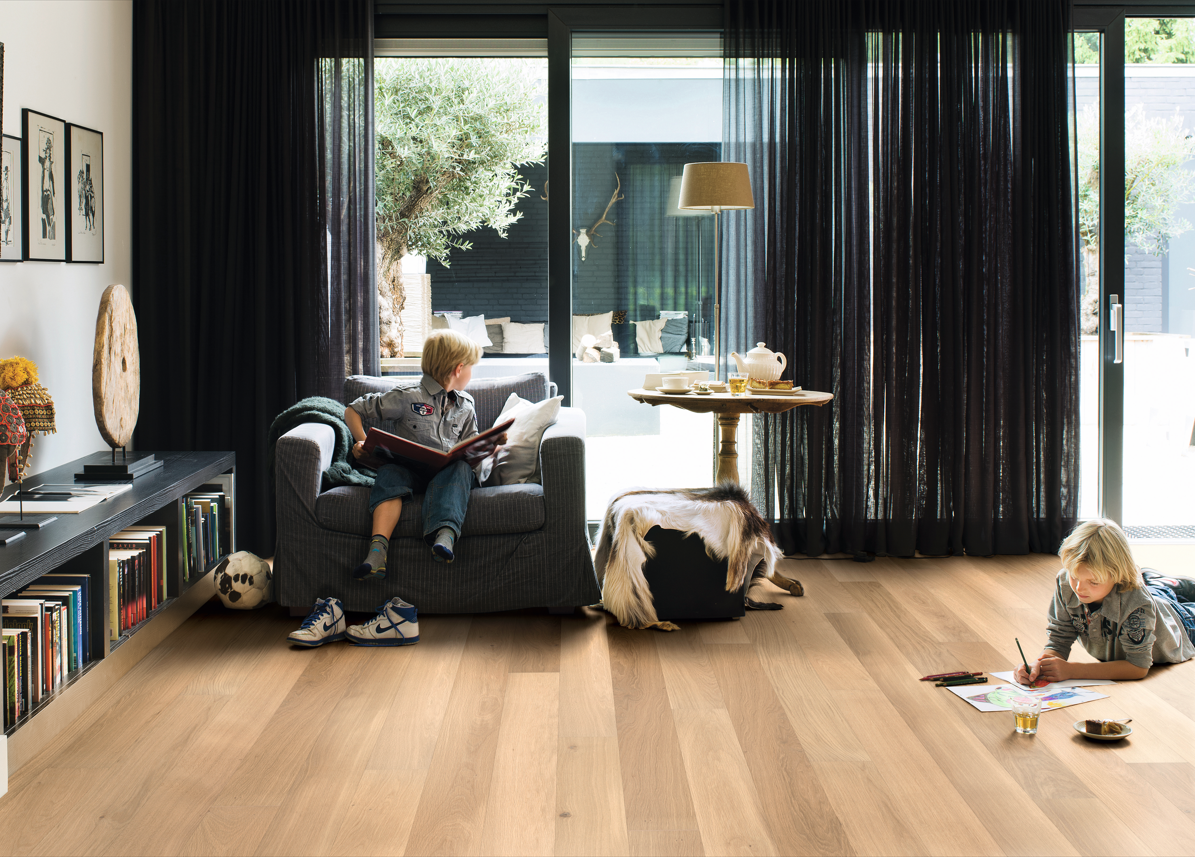
This is the most common method for laying wood-effect materials in architecture.

In this method, wood-effect tiles or planks are laid parallel and end-to-end until the entire area is covered. Straight and diagonal layouts are the most popular styles of this method.

A straight layout is the easiest to execute, where wood-effect tiles or planks are arranged along one edge of the wall. It is suitable for common rectangular or square spaces, creating seamless, continuous effects.

In contrast, a diagonal layout is done by placing the tiles at a diagonal angle, extending from one corner of the room to the opposite.

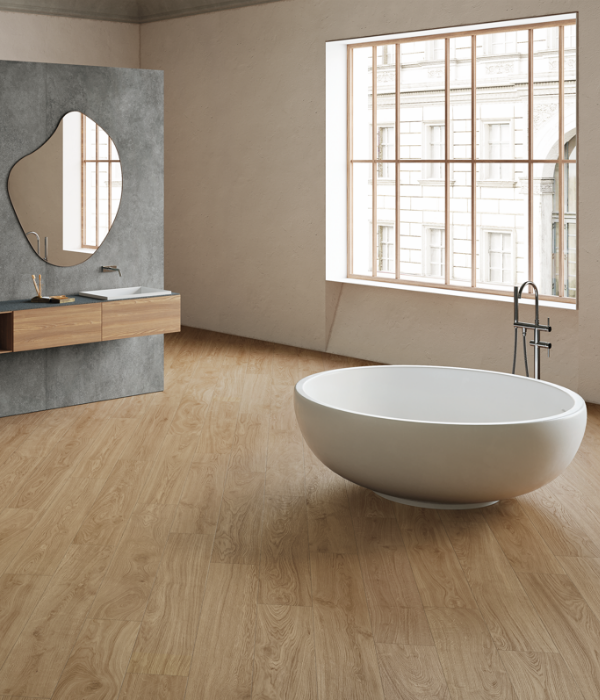
The Mimesis wood-effect tile collection in a diagonal layout.

More flexible than a straight layout and creating a sense of expanded space, the diagonal layout is a good choice for smaller areas and irregularly shaped rooms.

By using the full length of the material, the rectangular tiling method can fully showcase the natural beauty of the wood. Homeowners should use a 1:3 ratio for the most aesthetic effect and to maintain the material's durability.  

Zigzag Tiling

The first traces of the zigzag tiling method were found in ancient Egyptian and Roman ruins. To this day, it still holds a strong appeal for trendy homeowners.

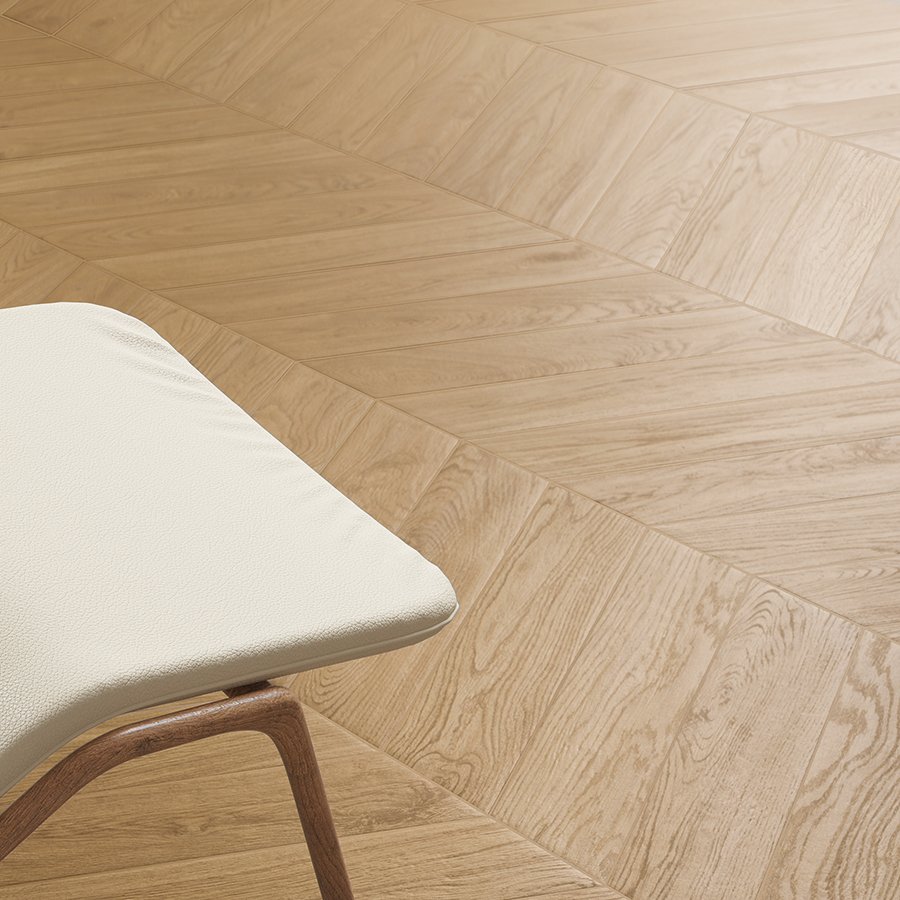
Herringbone and Chevron are the two most prominent styles of this method. Although both are laid at a 45-degree angle, they use materials with different shapes: rectangular (Herringbone) and parallelogram (Chevron), which creates different visual accents.

Zigzag tiling connects the pieces of wood tightly, which not only gives a space a distinctive look but also provides a strong, stable surface. 

Square Tiling

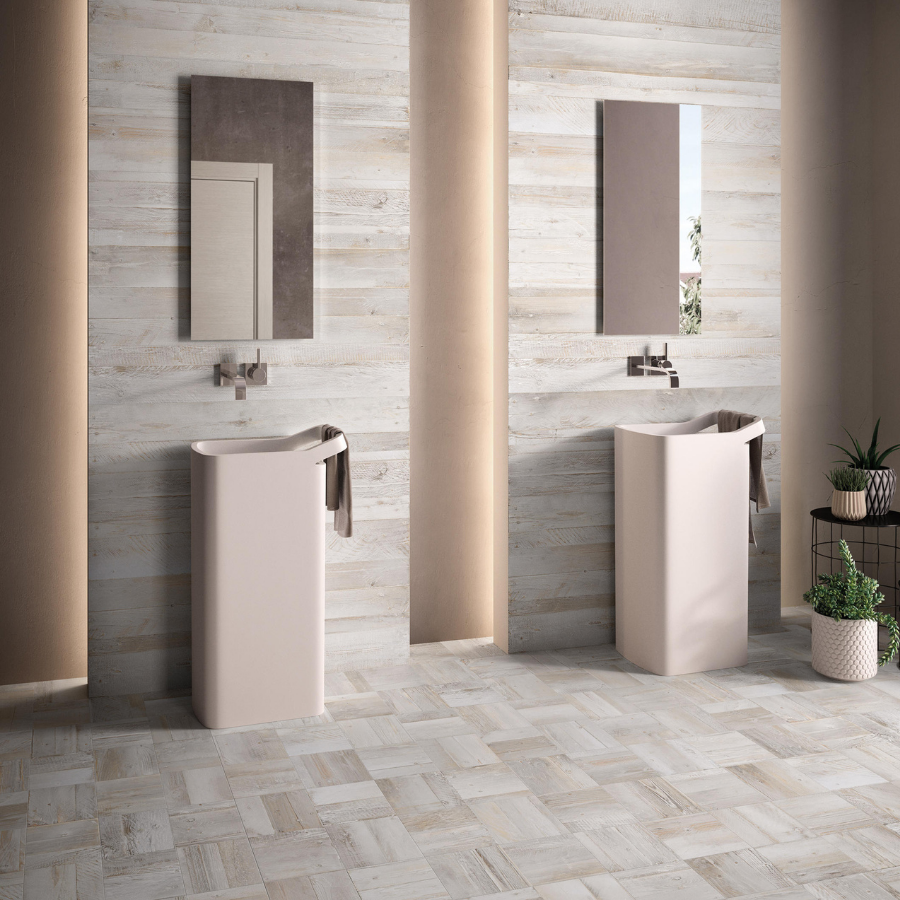
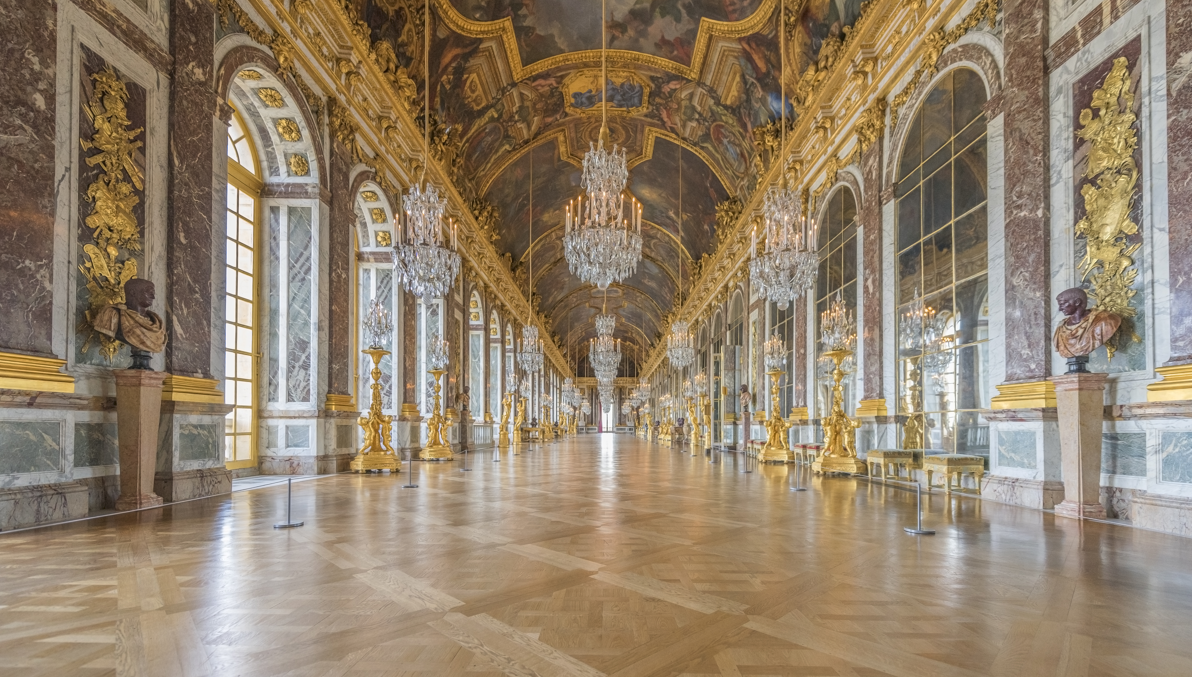
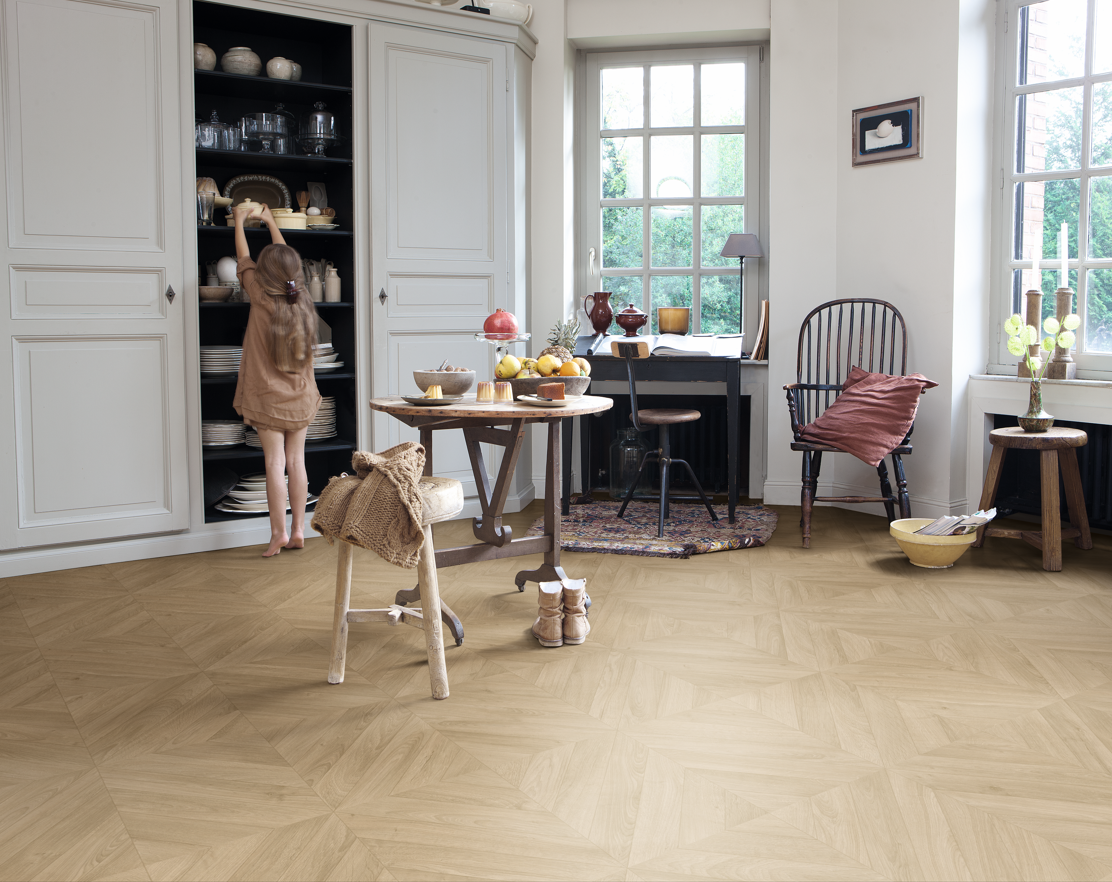
In the 17th century, King Louis XIV of France requested that the marble floors of the Palace of Versailles be replaced with oak planks featuring sophisticated square patterns. These patterns created a craze among French nobility and remain popular to this day.

The square patterns formed by this method are called "parquet" and come in many styles, from simple ones like Checkerboard and Brickwork to more complex designs. Masters can combine this method with rectangular wood-effect material to create impressive patterns, as seen in the Palace of Versailles.

The square tiling method is very suitable for large spaces like living rooms or master bathrooms, where the pattern can be fully showcased to create distinctive visual effects.

Polygonal Tiling

This is the most complex method for laying wood-effect tiles or planks, requiring high precision and meticulousness.

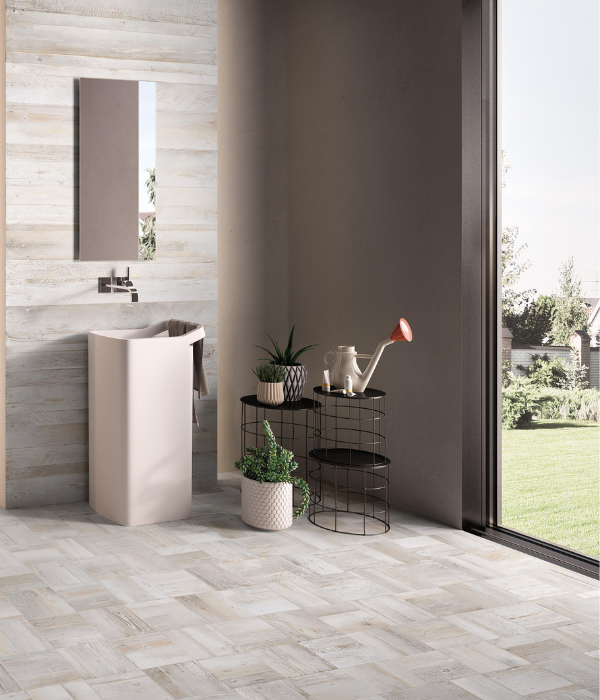
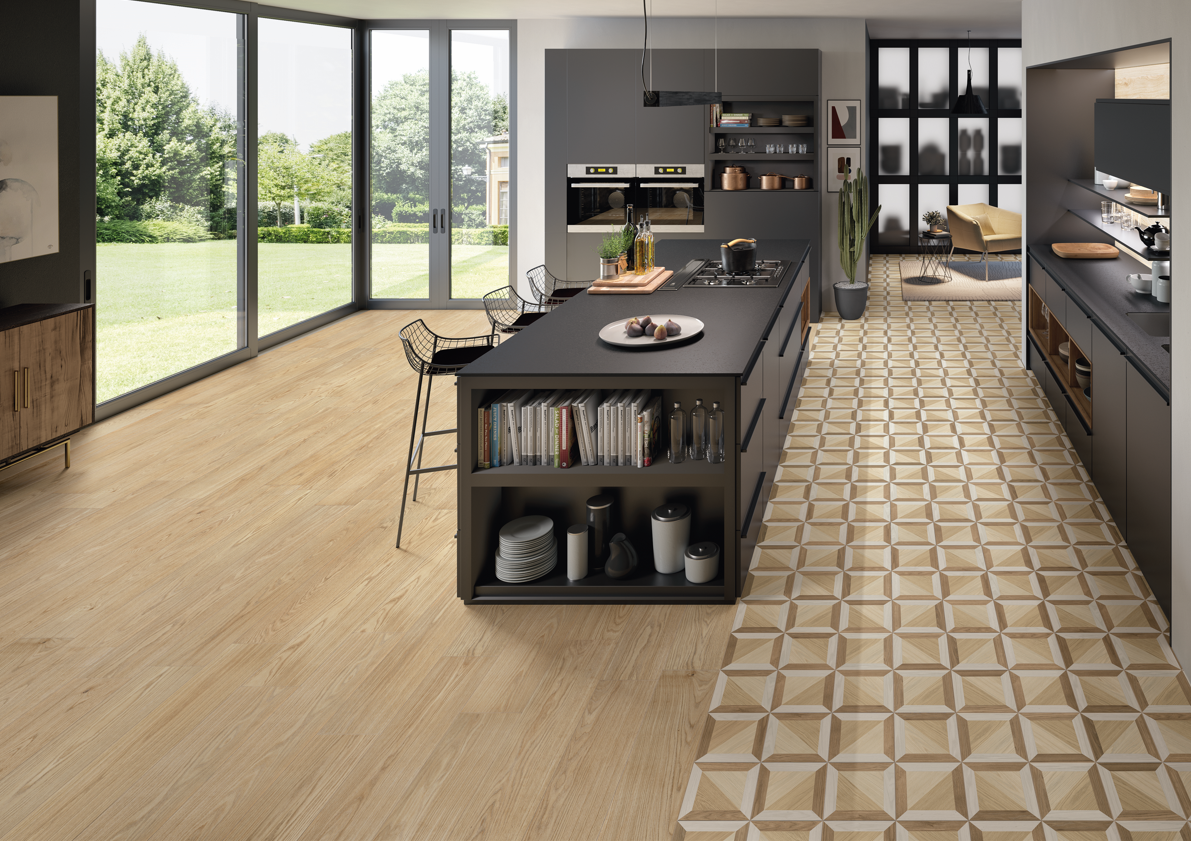
The wood-effect materials used can have shapes that are completely different from the usual rectangular plank, such as rhombuses or hexagons, thereby creating eye-catching and unique patterns that become an impressive highlight, reflecting the homeowner's personality.

To increase convenience and meet the need for creating impressive surfaces, Vietceramics offers many collections of wood-effect tiles and planks with pre-designed polygonal patterns. This reduces the manual cutting process often required with traditional wood flooring, making installation easier than ever.

As a pioneer in providing interior materials that lead in aesthetics and quality, Vietceramics has brought many impressive wood-effect tile and plank collections imported from Europe. Suitable for all tiling methods, they are sure to help you create the perfect pattern you envision.

For detailed consultation, please visit our showrooms nationwide or contact our Hotline: 0797555299.

Sign up to receive the latest information on promotions, products and events

@2025 VIETCERAMICS
Công Ty Cổ phần Quốc Tế Gốm Sứ Việt
cấp ngày 30/07/2011. Đăng ký thay đổi lần thứ 15 do Sở Kế hoạch và Đầu tư TP. Hồ Chí Minh ngày 06/06/2022.